

Synthetic silk, the modern equivalent of natural silk fabric
Natural silk vs. synthetic silk - comparison of materials
In the old days, natural silk was a single and hard-to-find option when it came to fine and durable fabric with luster. Today, developments in science and industry allow for more choices. Both natural silk and its artificial and synthetic counterparts are available, which look just as beautiful, but feature a less controversial production process and less negative environmental impact. When choosing the right creation, it is worth considering which type of silk fabric suits us better.



History of natural and synthetic silk
Synthetic silk was invented in the 20th century. The history of natural silk fabric, on the other hand, dates back 5,000 years. This extremely luxurious material originated in China. There is a legend associated with its creation. Well, according to legends, this fabric was invented thanks to Empress Hsi Ling Shih. When she was drinking tea under a mulberry tree, a silkworm cocoon fell into her cup. The empress looked at the thread and found it shiny and durable. She then thought of a fabric woven from such threads. For several millennia, silk was only available in the Middle Kingdom, and the method of making it was covered by secrecy. However, the material began to be exported, made possible by the famous Silk Road. Silk first reached the Mediterranean Sea in the second century BC. The Japanese began producing silk around 300 AD, and in Byzantium more than 200 years later. Over time, the ability to obtain this fabric from silkworms spread to further territories, and after the Crusades it also appeared in Western Europe. At first, Italy led the way, later joined by France. With the advent of the Industrial Revolution, cotton became cheaper to produce and thus more readily available, while silk still remained a very expensive material and thus its popularity declined. New methods of weaving silk were developed, but diseases that began to afflict silkworms in Europe made China and Japan the main producers of this luxury fabric again in the 20th century. By this time, too, new types of fibers had been developed, such as viscose and nylon, which were cheaper and easier to produce and care for. As early as the 19th century, it was possible to create rayon fibers, or viscose, from wood pulp, which resembled silk. This striking, durable and fine fiber is often called "artificial silk."Fabric made from these fibers is breathable and biodegradable. Synthetic silk was developed in the 20th century. At that time, polyester and nylon were developed, from which silk-like fibers are obtained. These fabrics are durable, crease-resistant and easy to care for. They are excellent for dyeing. Nowadays, all these varieties of fabrics from natural silk to synthetic silk are produced. Each of them has its own advantages and disadvantages.
How the fabric is made from silkworms
Silk is produced by dark caterpillars of different species, but the mulberry silkworm gives the best quality fiber. Nowadays, this species is found only in cultures, since after thousands of years of human interference it is no longer able to survive in the wild. Adults have vestigial wings and have lost the ability to fly. One caterpillar produces 1.5 to 3 kilometers of threads from a single filament, building its cocoon. Cocoons with caterpillars are thrown into hot water and boiled, by which valuable threads are extracted. This kills the silkworms and cleans the threads of undesirable substances in production. About 2,000 cocoons are needed to obtain about a meter of silk. About 100 caterpillars can live on a single mulberry tree. As a result, silk production requires huge environmental and energy expenditures and is significantly different from synthetic silk production.
Advantages and disadvantages of natural silk
Undoubtedly, the advantages of natural silk are its elasticity and beautiful appearance. Silk also has excellent hygroscopic properties, which means that it absorbs moisture perfectly. It is skin-friendly. However, one of the main disadvantages of natural silk, besides its high price, is the way it is sourced. It raises ethical controversies and is harmful to the environment. Also, caring for silk can be difficult. It should not be washed in washing machines or dried in tumble dryers. Dry cleaning in dry cleaners is advisable. It should not be ironed with an ordinary iron, only with a steam iron. Drying directly in the sun can also affect the fabric badly. Natural silk is characterized by its lack of resistance to moths and mold. Silk is not flammable and is biodegradable.
Silk and ethics and sustainability
Contrary to popular belief, it turns out, according to theSustainable Apparel Coalition's Higg Index, that the production of silkhas a more negative impact on the environment than the production of its synthetic counterparts. This is due to the production process, which requires a great deal of energy, consuming huge amounts of water. Mulberry trees are sprayed, which also has a negative impact on the environment. The silk is bleached and dyed, and the effluent generated by these processes enters the waterways, which it pollutes. There is also the issue of killing silkworms during yarn production.
Advantages and disadvantages of synthetic and artificial silk
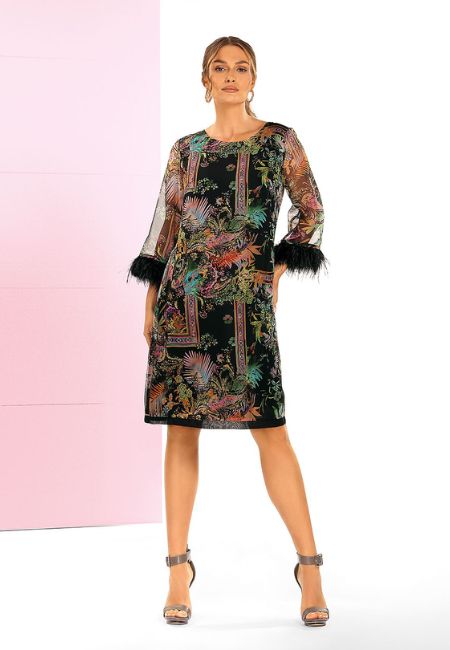
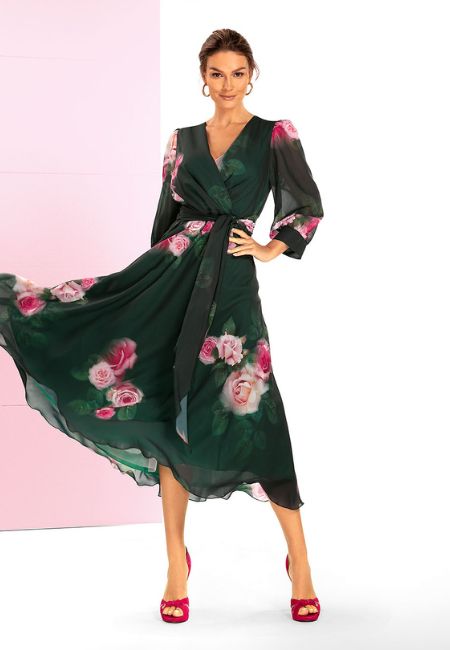
Synthetic silk is derived from synthetic fibers, but at first glance it is difficult to distinguish it from natural silk. It is pleasant and soft to the touch. It is characterized by high durability, beautiful appearance and easy care. It is a perfect material for blouses, dresses, skirts or scarves. It lends itself perfectly to dyeing, so you can create all sorts of patterns and colors on it. Theundoubted advantage that synthetic silk has is its affordable price compared to natural silk. Very often synthetic silk is a blend of different types of fibers. Nylon is durable, resistant to creasing and is easy to wash and dry. Synthetic and artificial fibers are resistant to mildew. Viscose silk, called artificial silk, or rayon, is airy and hygroscopic. Synthetic silks, such as those made from polyester, do not have these qualities. They are also flammable.
However, the industry producing these fabrics is less harmful to the environment than traditional natural silk production. It is also free from the ethical problem of killing silkworms in the process of obtaining the fibers.
When choosing clothes made of synthetic silk, however, it's worth looking out for garments that are timeless, of good quality, perfectly tailored and sewn so that they can last for many seasons. Beautiful dresses made of synthetic silk can stay in your closet for many years without losing any of their charm. They are also more resistant to sunlight than natural silk. By betting on good-quality clothing that we wear for many seasons, we also protect the environment from excessive littering.

Summary
While natural silk has undoubted advantages, its ethical production is controversial. It is also very expensive and more difficult to care for than synthetic silk. When choosing an elegant dress, it is worth betting on the latter option because of its comparably beautiful appearance, but less harmful to the environment, cruelty-free, as well as because of its price. Excellent quality synthetic silk creations are an investment for years. It is worth checking out the collection of the Polish brand Poza, which has a range of chic and impressive creations made of this type of fabric.


 English
  Polski
  Русский
  Deutsch
  Čeština
  Română